
Executive Engagement Secrets: 7 Hard-Won Lessons from Practitioners Who’ve Done It All
Recently ExecutiveIQ hosted an intimate executive engagement lunch in San Francisco. Attendees were seasoned EE practitioners with experience spanning executive briefing centers, customer advisory boards, high-level summits and events at Davos and WEF, field marketing, content strategy, and brokering executive-to-executive connections across some of the biggest brands in B2B.
There were no slides, no panels. Just 2 hours of honest, unfiltered conversation about what it takes to orchestrate relationships at the executive level.
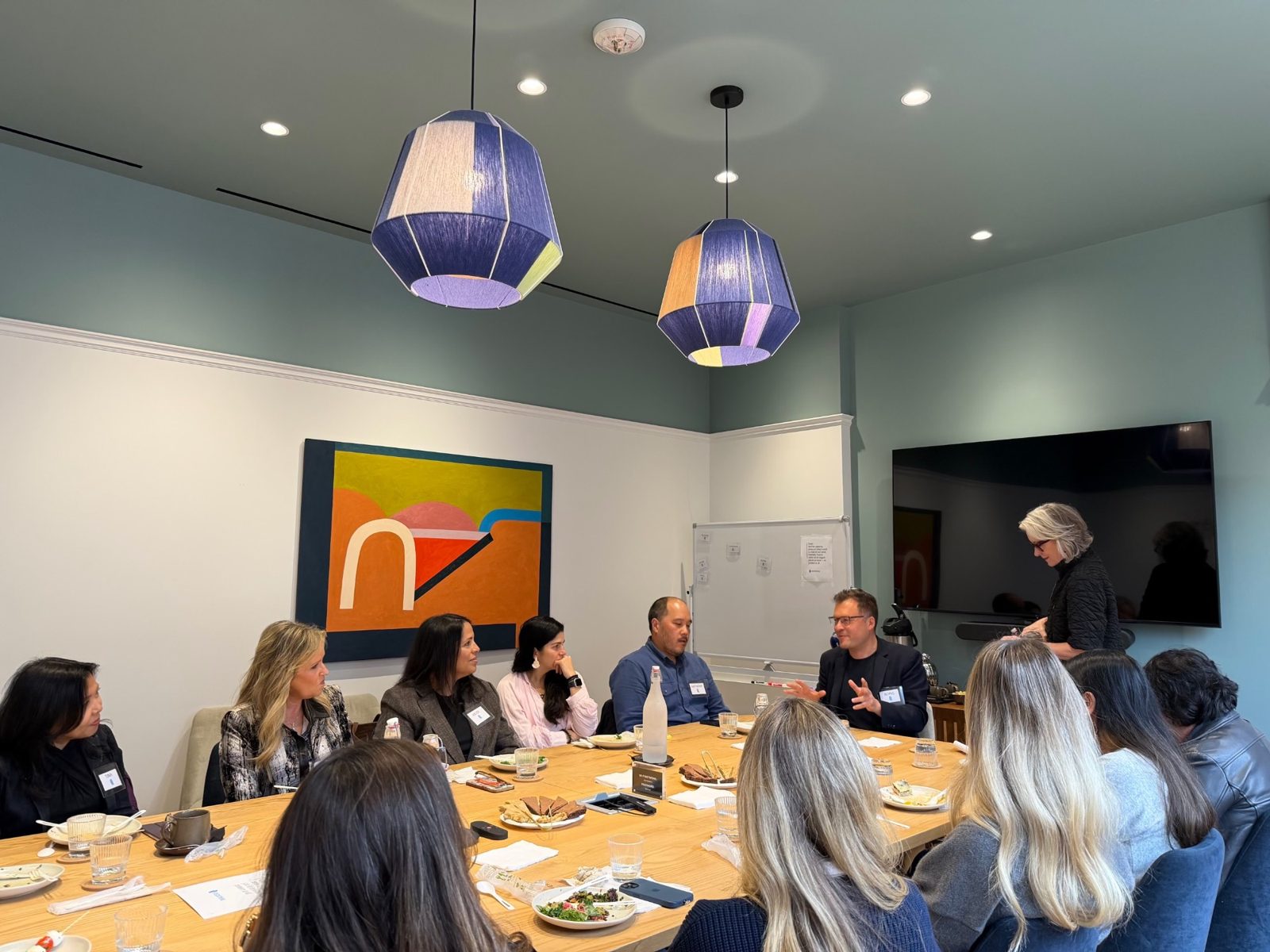
The insights were so rich that we knew we had to share the hard-won lessons from people who have lived this work for decades.
1. Your Own Leadership Team’s Buy-In Is the Number One Critical Success Factor
When we’re asked what makes or breaks an executive engagement program, our answer is always the same: the buy-in and commitment of your own leadership team.
That conviction was reinforced by people who do this work at the highest levels. If your internal executives aren’t fully committed, your executive engagement program will never reach its potential, no matter how well the team executes.
And it’s not just about getting the budget. It’s about leadership genuinely understanding the value and showing up.
2. Executive Engagement Is Drip Irrigation, Not a Sprint
One of the biggest nods around the table came when someone named the central tension: the biggest challenge in executive engagement is patience in the executive suite.
Results from EE programs don’t show up in a quarter. They show up over 18 to 24 months. Executive relationships strengthen outside of deal cycles — in side conversations at summits, over dinners, on the golf course. The real trust gets built between transactions, not during them.
That’s a hard sell when leadership wants results by end of quarter. But the practitioners at this table were unanimous: you have to play the long game, and you keep earning the right to the relationship. It’s drip irrigation — a little bit at a time, over time, consistently.
3. It’s a Giant Puzzle and Some of the Hardest Pieces Are Internal
One attendee described executive engagement as a combination of speed dating, air traffic control, and operational excellence. Organized chaos.
But the puzzle isn’t just about understanding your customer executives — their priorities, their communication styles, what they care about beyond the deal. That’s table stakes.
The real complexity is on the internal side. EE teams are keeping tabs on three audiences simultaneously: their own internal executives, customer and partner executives, and their sales teams. You have to understand your own executives’ strengths, where they shine, what they need support on, and then match the right internal executive with the right customer executive at the right moment, in the right context.
Several attendees admitted that they don’t always know what their own executives care about, which means they’re missing intelligence on their own audience.
4. Treat Your Internal Executives Like Internal Customers
This was the most revelatory part of the conversation.
Your executives want to know what’s in it for them. If they’re going to get tapped over and over to sit across from a customer, they want incentives. They want acknowledgment. They want visibility. People at the table questioned whether organizations can align active executive engagement with career acceleration; can you make it part of their KPIs?
The consensus: you have to treat your internal executives like internal customers. How well do you know them? Can you get what you need from them by helping them achieve their own goals?
That means EE teams need to profile their internal executives with the same rigor they apply to customer executives; understanding their goals, their strengths, their comfort level with being customer-facing. It’s the same discipline of researching and relationship mapping, turned inward.
5. Go Beyond the Usual Suspects and Coach the Reluctant Ones
One of the most practical tips from the table: don’t limit your customer-facing executive roster to the CEO, CMO, and CRO.
Look deeper into the executive roster for subject matter experts who can provide authentic thought leadership to customers in a non-sales way. The authenticity is the point; customers respond to genuine expertise, not polished talking points.
And when an executive isn’t comfortable being customer-facing? That’s not a dead end. Offer coaching and encouragement. It’s valuable professional development for them and expands your bench.
And when all else fails, give them a reality check. As one attendee put it about reluctant executives: “I like to ask them, ‘What could possibly be more important than talking to a customer?’”
The job of the EE team is to make each executive look like a hero. That requires knowing what each one needs in order to get there.
6. What Happens Off the Record Matters — and Your CRM Doesn’t Capture It
The data problem in executive engagement is daunting.
CRMs are full of dirty, outdated information. But the bigger issue is what they don’t capture at all: the side conversations at summits, the exchanges on the golf course, the things that come up over dinner. Your CXOs are having conversations with customer executives, and no one in the organization knows they’re having them.
If those conversations aren’t captured and followed up on, the customer’s perception is that your company dropped the ball. They expected thoughtful follow-up and got silence.
Companies with decentralized executive engagement face an additional problem: too many people touching customer executives, inviting them to too many things — and not the right things. There’s no centralized coordination. No single source of truth. Even worse, we are quite literally putting our most important customers under siege!
What EE teams need is a way to prove to customer executives that their conversations are being heard, shared internally, and acted upon thoughtfully, so the next touchpoint demonstrates strategic continuity and an understanding of what they care about.
7. Simplify Relentlessly for Your Sellers and Your Executives
There’s a lot of behavior that needs to be unlearned to manage effective executive engagement. It requires time, patience, listening, and a commitment to instilling best practices and operationalizing them.
One theme that kept surfacing: simplify. Reduce the paperwork for sellers and executives so they can focus on strategy and relationships. To show the value of an EE program, you need to demonstrate the customer journey itself — how the orchestration of touchpoints delivers stronger relationships and bigger deals over time. Show your own leadership that the long game works, using the evidence you’ve collected along the way.
Some companies at the table are using AI to move beyond standard tools and build solutions tailored to their own needs. Others are rethinking what data they capture and how they centralize it. All of them agreed that executive engagement teams carry a disproportionate operational burden and need experts and infrastructure that matches the sophistication of what they’re trying to do.
Frequently Asked Questions About Executive Engagement
What is executive engagement in B2B sales?
Executive engagement is the strategic practice of building and maintaining relationships between a company’s senior leadership and the senior executives at their customers and prospects. It spans executive briefing centers (EBCs), customer advisory boards (CABs), hosted events, executive-to-executive meetings, and the ongoing orchestration of touchpoints and high-stakes conversations that build trust and deepen relationships over time.
How long does it take to see ROI from an executive engagement program?
According to seasoned EE practitioners, the typical timeline for meaningful ROI from executive engagement is 18 to 24 months — not one quarter. Executive relationships strengthen outside of deal cycles, and the compounding value of well-orchestrated engagement shows up in relationship strength, deal size, and account retention over the long term.
What is the most important success factor for executive engagement programs?
Internal leadership buy-in. If your own C-suite doesn’t understand the model, trust the timeline, and actively participate, the program cannot reach its potential. This includes leadership being willing to invest their own time in customer-facing engagement and supporting the EE team with both resources and patience.
How do you get executive buy-in for executive engagement programs?
Treat your internal executives like internal customers. Understand their personal career goals, incentivize participation with acknowledgment and visibility, consider aligning EE participation with KPIs, and offer coaching for executives who aren’t yet comfortable in a customer-facing role. The job of the EE team is to make each executive look like a hero.
Why do executive engagement programs fail?
The most common failure points are unrealistic timelines (expecting quarterly results from an 18-to-24-month process), lack of insight into customer executives and their priorities, decentralized ownership that leads to customer executives being over-contacted without coordination, and insufficient profiling of internal executives — meaning the wrong people get put in front of the wrong customers.

ExecutiveIQ is bringing these executive engagement lunches to more cities around the country. If you want one in your area and can help deliver the right audience, reach out to info@executive-iq.com — we’ll bring the lunch and the conversation.
At ExecutiveIQ, we build the kind of executive intelligence that powers programs like these — deep profiles on the executives your teams need to understand, whether they sit across the table or down the hall.